Data Historians in Process Improvement: Turning Raw Data into Actionable Gains
By Charlie Thompson
In the bustling world of manufacturing, where every second on the shop floor counts, small to medium manufacturers (SMMs) often grapple with inefficiencies hidden in plain sight. Enter data historians: the unsung heroes that capture, store, and unlock the potential of primary process data, powering manufacturing data analytics. At Glassdome, we’ve seen firsthand how these systems transform raw, time-stamped data from machines, sensors, and PLCs into a goldmine for driving tangible shop floor improvements. Let’s dive into how this works and why it’s a game-changer for SMMs.
What Are Data Historians?
Data historians aren’t just digital filing cabinets; they’re specialized databases designed for high-speed collection of industrial data. They log everything from temperature fluctuations in a furnace to cycle times on assembly lines, often at sub-second intervals. Unlike traditional databases, historians compress and index data efficiently, making it easy to query historical trends without bogging down operations. For SMMs, this means no more relying on gut feelings or sporadic manual logs -primary process data becomes the foundation for informed decisions.
Turning Data into Actionable Gains
The real magic happens when you turn this raw data into actionable gains. Start with visibility: historians provide real-time and historical dashboards that spotlight bottlenecks. Imagine a mid-sized auto parts maker spotting that a press machine idles 20% more than expected due to inconsistent material feed. By analyzing historian data, they tweak feeder settings, slashing downtime by 15% and boosting throughput. At Glassdome, our platform integrates seamlessly with existing equipment, even legacy systems, to deliver these insights without massive overhauls.
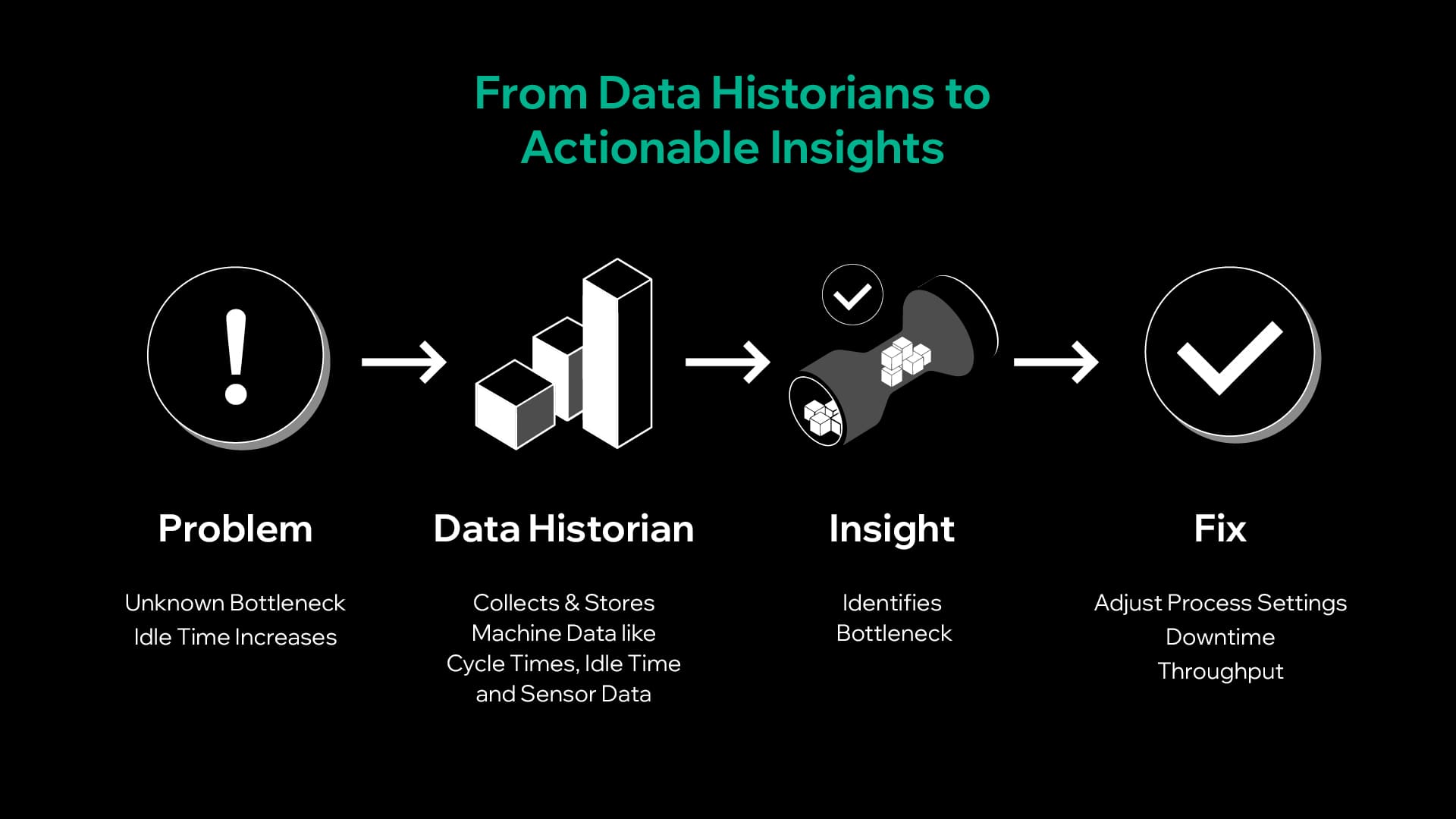
Figure 1: Data historian workflow diagram showing problem identification with machine and sensor data collection
Process Optimization and Predictive Maintenance
Process optimization follows naturally. Historians enable root-cause analysis through trend correlations—linking variables like humidity to defect rates in a food processing plant, for instance. SMMs can use this to implement predictive maintenance, forecasting failures before they halt production. One of our clients, a global food manufacturer like Lotte Wellfood, leveraged our real-time data collection to enhance quality control, reducing waste by pinpointing inconsistencies in mixing processes.
Energy Efficiency and Sustainability
Energy efficiency and sustainability are low-hanging fruits here too. Primary data from historians feeds into carbon footprint calculations, helping SMMs comply with regulations like those in the EU’s automotive sector. Glassdome’s Catena-X certified solutions automate this, turning energy usage logs into reports that not only cut costs but also open doors to green incentives.
Accessible Implementation for SMMs
For SMMs, the barrier to entry has never been lower. Cloud-based historians like ours eliminate hefty upfront costs, offering SaaS models with quick deployment. No need for IT armies – just plug in, collect data, and start improving. We’ve partnered with Siemens to make this even more accessible, ensuring superior data acquisition from diverse machinery.
The Payoff: Better Decisions and Empowered Teams
The payoff? Higher OEE (Overall Equipment Effectiveness), reduced scrap, and empowered teams. Shop floor workers gain tools to act on data, fostering a culture of continuous improvement. In a competitive market, SMMs using data historians aren’t just surviving—they’re thriving, turning every data point into a step toward efficiency.
At Glassdome, we believe better data means better decisions. If you’re an SMM ready to harness your primary process data, it’s time to explore how a data historian can revolutionize your operations. Let’s turn raw data into real gains—contact us today.
Ready to turn your manufacturing data into actionable insights with data historians?
Talk with a Glassdome manufacturing expert today